Met Gala 2026: When Fashion Becomes Flesh Inside the “Costume Art” Revolution Reshaping the Red Carpet
- 5 mai
- 3 min de lecture
Dernière mise à jour : 7 mai

On the first Monday of May, the steps of the Metropolitan Museum of Art once again transformed into the most scrutinized runway in the world. But the 2026 Met Gala is not just another spectacle of couture excess it marks a philosophical turning point. This year’s theme, “Costume Art,” accompanied by the dress code “Fashion Is Art,” pushes fashion beyond aesthetics into something far more radical: embodiment.
Forget simply dressing to impress. In 2026, the mandate is clear become the artwork.




A Theme That Collapses Boundaries
Unlike previous Met Gala themes that leaned into historical periods or stylistic references, “Costume Art” is deliberately conceptual. It interrogates the relationship between clothing and the human body, positioning fashion as an artistic medium equal to painting, sculpture, or performance.
Curated by Andrew Bolton, the exhibition behind the Gala explores over 5,000 years of the “dressed body” in art, juxtaposing garments with masterpieces across disciplines.
The message is subtle but profound:
Fashion is not inspired by art it is art.
This shift reframes the Met Gala itself. No longer just a celebrity parade, it becomes a live, breathing exhibition where each attendee functions as both subject and object.

“Fashion Is Art”: The Most Open Dress Code Yet
The official dress code, “Fashion Is Art,” is among the most interpretive in Met Gala history.
Rather than prescribing silhouettes or eras, it invites guests to explore their personal relationship with fashion as a creative language. The body becomes a canvas, a site of transformation, even confrontation.
This openness has led to a striking diversity on the red carpet:
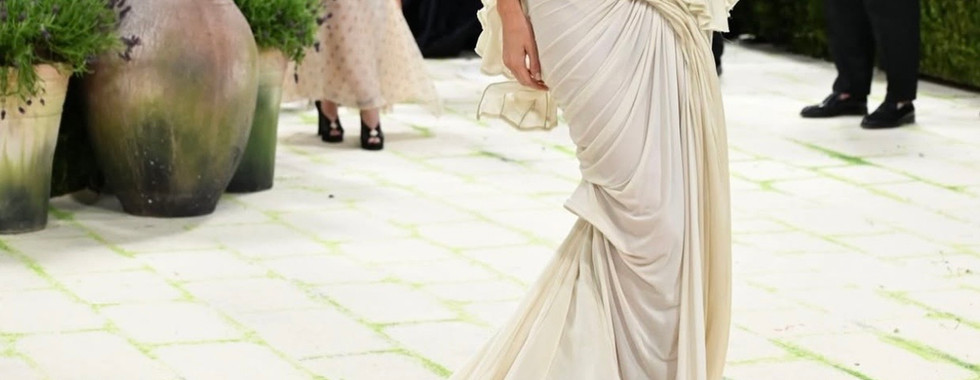
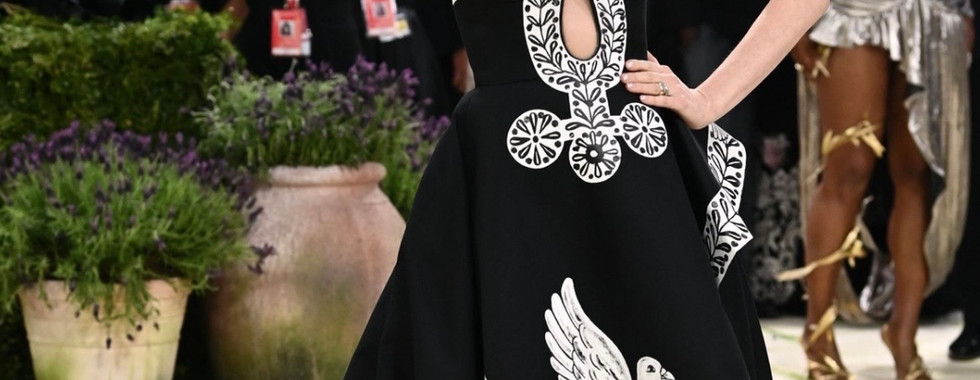
Sculptural silhouettes mimicking classical statues
Surrealist garments referencing Dalí and Picasso
Interactive designs that blur performance and couture
The result? A red carpet that feels less like a fashion show and more like a living museum installation.




A New Era for the Costume Institute
The 2026 edition is not just symbolic it is institutional. The Gala inaugurates the new Condé Nast Galleries, a permanent 12,000-square-foot space dedicated to fashion at the Met.
This expansion signals a long-overdue recognition: fashion is no longer peripheral to art history it is central to it.
The exhibition “Costume Art” will run until January 2027, allowing the ideas showcased on the red carpet to resonate far beyond a single night.


The Red Carpet, Reimagined as Art Itself
Even the iconic Met steps have undergone a transformation. In 2026, the traditional red carpet has been replaced by a hand-painted, garden-like pathway, evoking Renaissance landscapes.
Wisteria cascades overhead. Moss tones replace crimson. Guests don’t just walk they enter a scene, becoming part of a curated visual narrative.
This scenography reinforces the theme’s core idea:
You are not observing art you are inside it.





A Powerhouse Line-Up Reflecting Cultural Influence
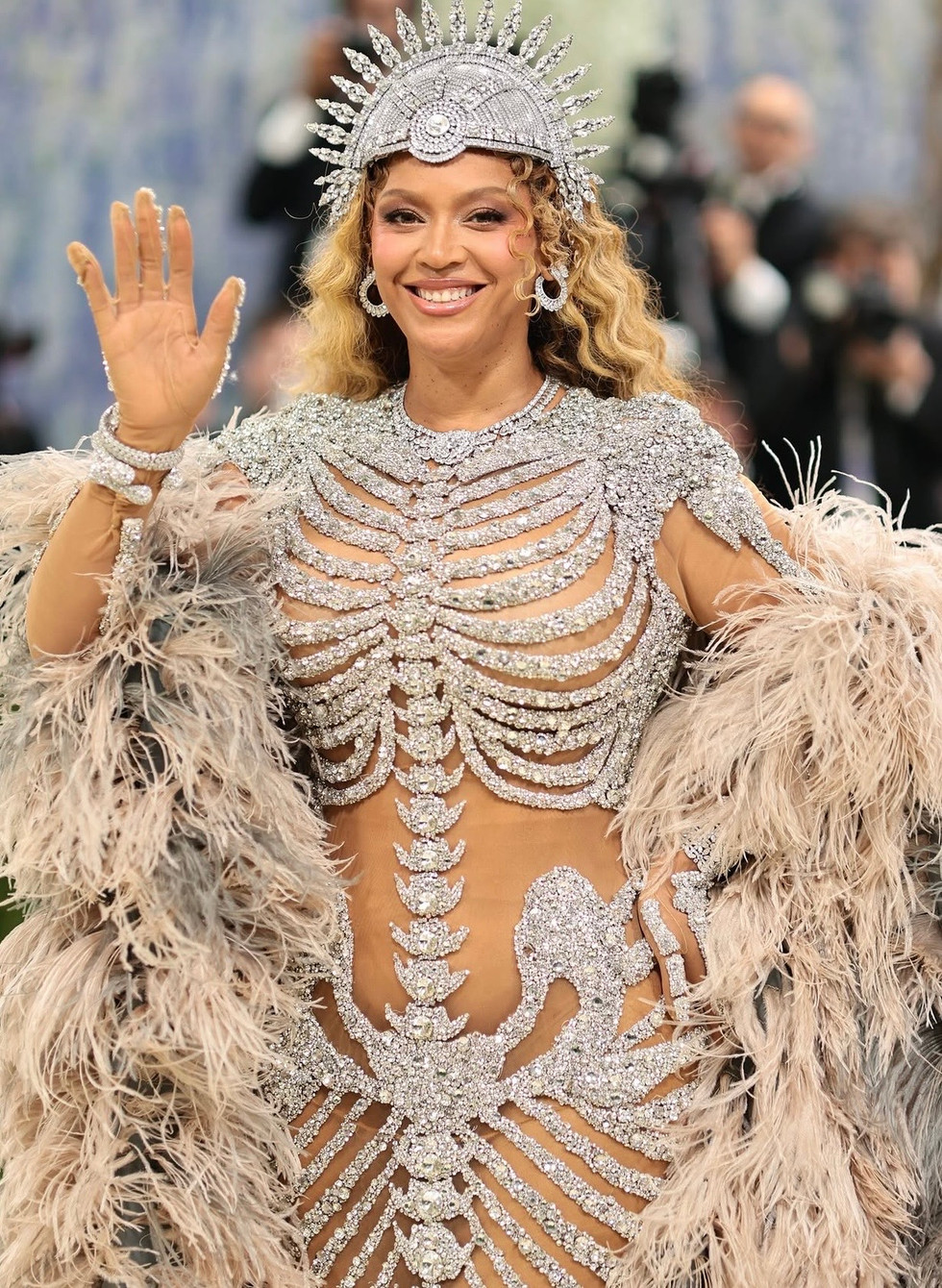
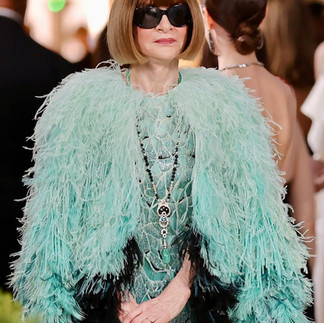
This year’s co-chairs Beyoncé, Nicole Kidman, Venus Williams, and Anna Wintour reflect the Gala’s interdisciplinary ambition.
They are not just fashion figures; they are cultural architects spanning music, cinema, sport, and media. Their presence underscores a broader truth: fashion today intersects with every domain of influence.
The guest list continues that narrative, featuring artists, athletes, and creators who embody global culture rather than merely reflect trends.
The Economics of Exclusivity
Behind the spectacle lies a powerful economic engine. Tickets reportedly reach $100,000 per person, reinforcing the Gala’s role as the primary fundraiser for the Costume Institute.
But beyond fundraising, the Met Gala operates as a global marketing phenomenon, generating billions in media value within hours. Social media platforms amplify each look into instant cultural currency.
Why 2026 Matters More Than Ever
The Met Gala has always been about storytelling. But 2026 changes the language of that story.
In a world increasingly shaped by digital identities and visual culture, “Costume Art” asks a timely question:
What does it mean to inhabit your image?
Fashion here is no longer decorative it is existential.
Conclusion: The Night Fashion Became Philosophy
The 2026 Met Gala will be remembered not for a single iconic dress, but for a conceptual leap. It dissolves the line between wearer and work, turning the red carpet into a stage where identity, art, and body converge.
This is not just fashion evolving.
This is fashion thinking.


Patricia Holdener
Editor-In-Chief
Luxe Magazine Switzerland
MetGala2026
FashionIsArt
CostumeArt
LuxuryFashion
DigitalFashionTrends
luxemagazineswitzerland


Commentaires