AMERICA WANTS LUXURY BACK
Dernière mise à jour : il y a 2 heures

As New York Fashion Week opens, American heritage is being repositioned as a new language of contemporary luxury
New York Fashion Week begins on September 10, but its most significant story is already visible: America is attempting to reclaim a position of cultural authority in fashion through the very brands that once defined its international image. Ralph Lauren, Coach and Tommy Hilfiger are not simply returning to the centre of the conversation; they are benefiting from a renewed appetite among younger consumers for American heritage, while New York itself is becoming a strategic counterpoint to the European luxury establishment. Reuters identifies the movement clearly: American legacy brands are attracting Gen Z consumers even as the global luxury market remains challenging, with Ralph Lauren and Coach benefiting from renewed demand for recognisable products such as polo shirts, cable-knit sweaters and Tabby bags. Tommy Hilfiger is also returning to the official fashion-week ecosystem after a collaboration with NFL star Travis Kelce, reinforcing the increasingly powerful connection between American sport, entertainment and fashion.
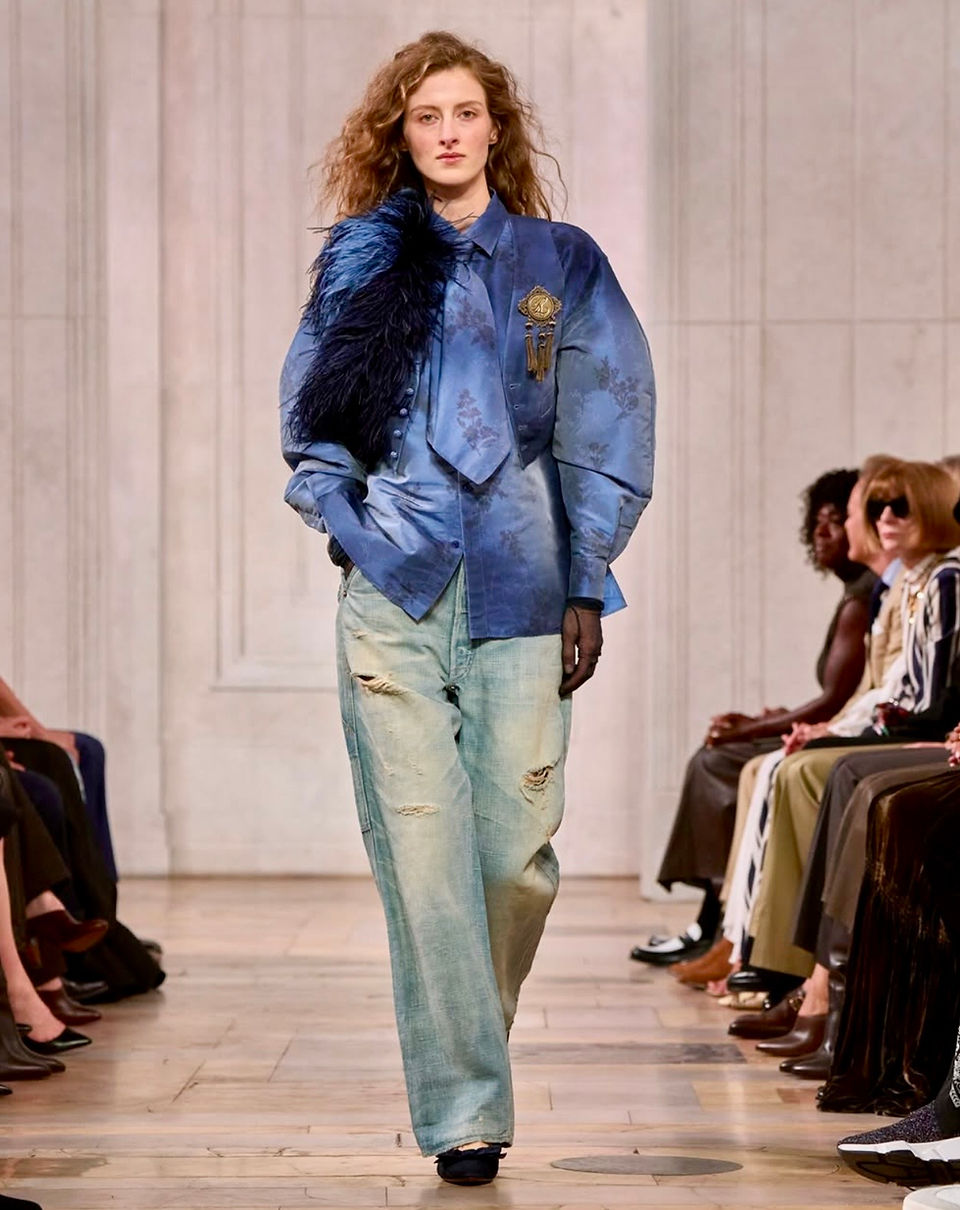

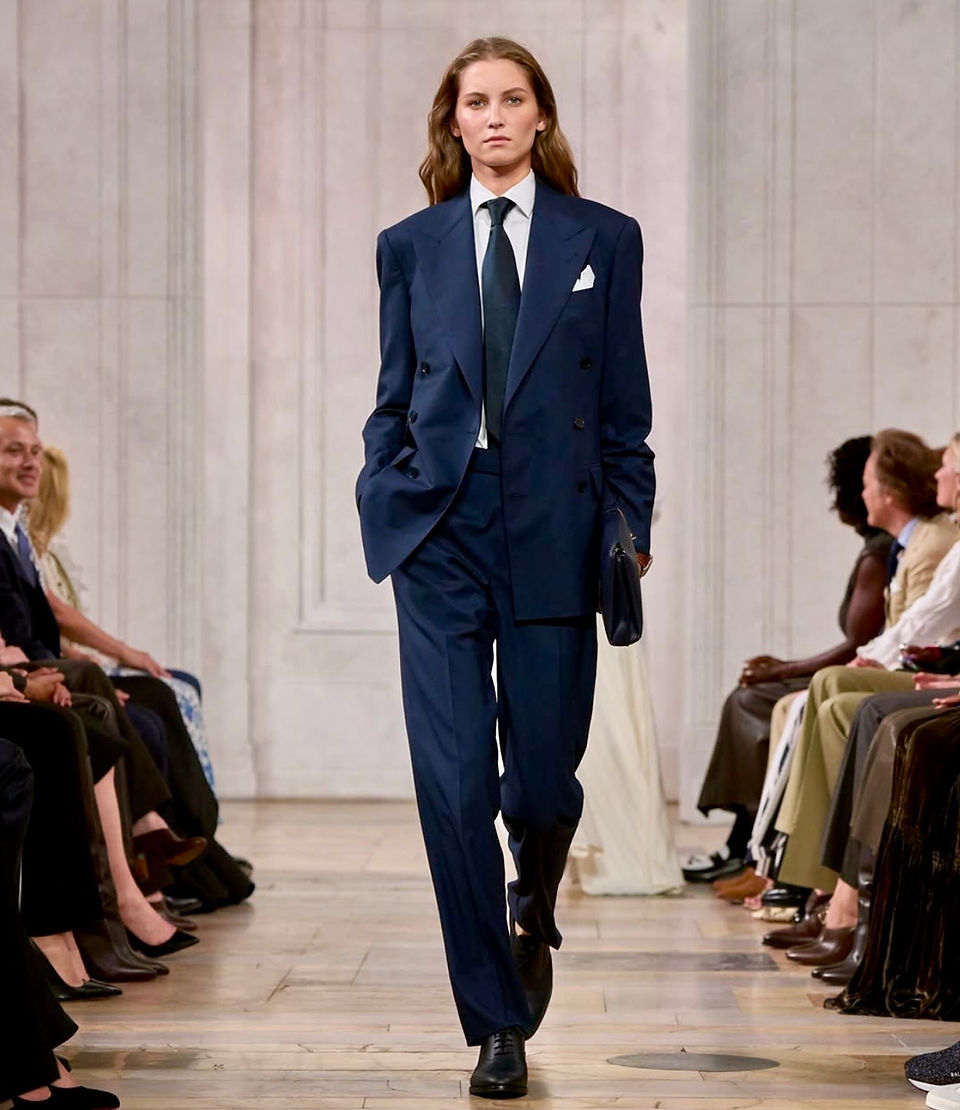

The significance lies in the change of meaning surrounding these brands. American fashion has never possessed exactly the same luxury vocabulary as Paris or Milan. Its authority was built through sportswear, tailoring, denim, collegiate references, popular culture and an ability to transform everyday clothing into symbols of aspiration. Ralph Lauren, in particular, constructed an entire lifestyle around this principle: the product was only one part of a much larger American narrative. Coach developed another version of the equation, turning leather goods into accessible luxury with strong cultural recognition. Today, younger consumers are rediscovering those codes without necessarily inheriting the meanings attached to them by previous generations. A polo shirt can now signify heritage, vintage culture, understated status or a deliberate rejection of overt luxury. The object remains familiar; its cultural context has changed.



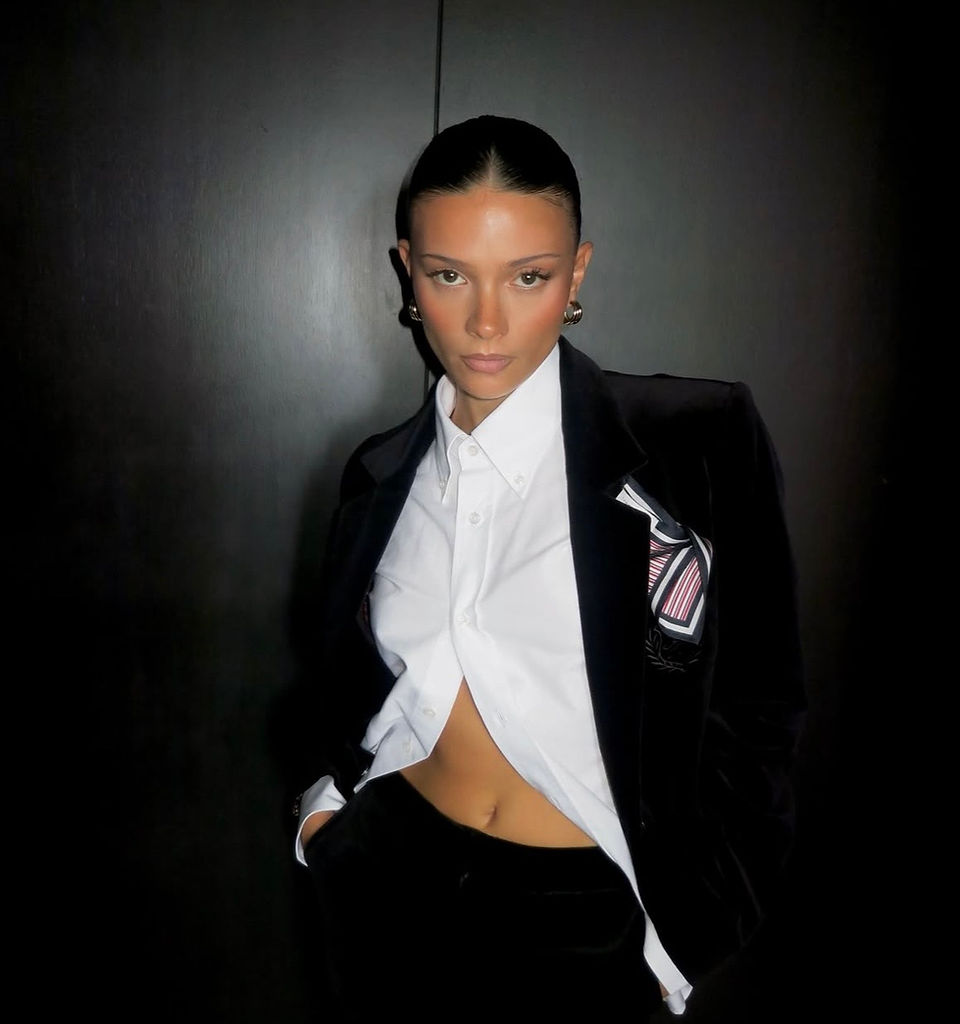
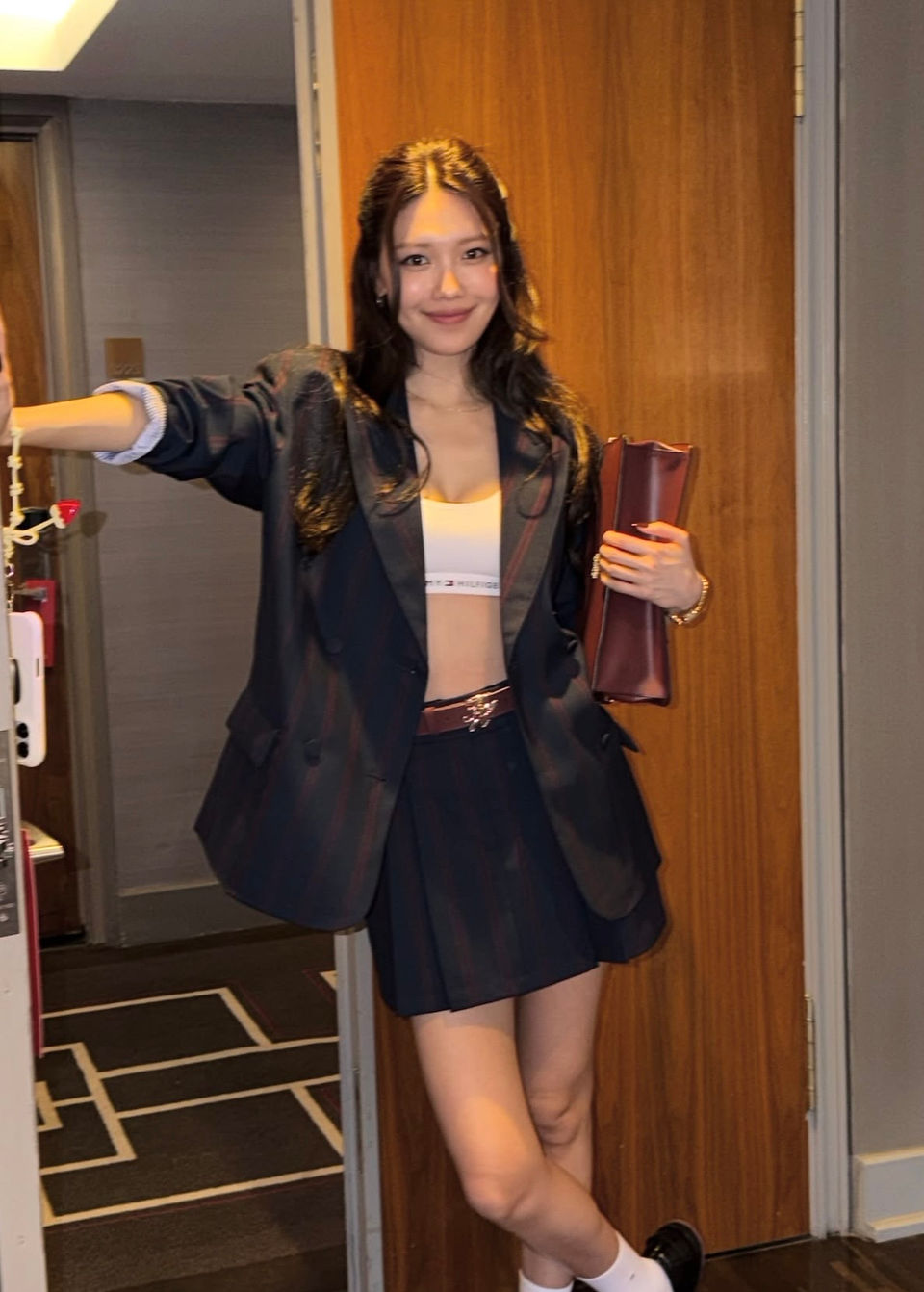


That distinction is crucial to understanding the current American revival. Gen Z does not necessarily buy heritage because it is old. It buys heritage when history can be made relevant to the present. This is why American brands with deep archives are increasingly capable of competing for attention with newer labels. Their advantage is not simply recognition; it is the depth of material they can reinterpret. New York Fashion Week arrives at precisely the moment when fashion consumers are placing greater value on authenticity, recognisable cultural references and products capable of existing beyond a single season. Reuters notes, however, that this revival is not universal: Michael Kors continues to face difficulties, demonstrating that American identity alone does not guarantee relevance. The market is rewarding brands that can convert heritage into contemporary desire, rather than simply reproducing it.
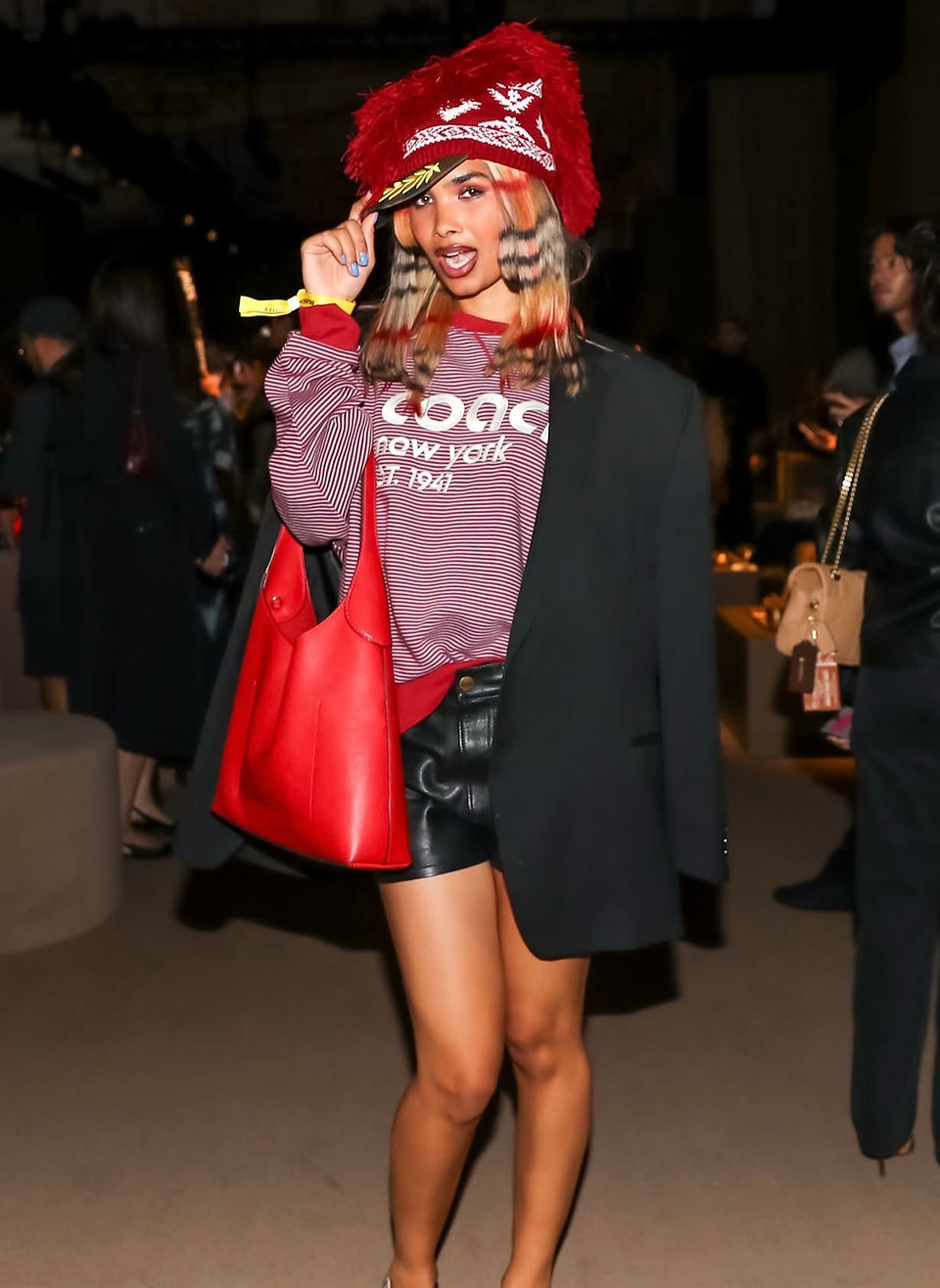


The structure of this season’s New York schedule reinforces that transition. The CFDA’s official calendar contains approximately 70 runway shows and designer presentations between September 10 and 15. Henry Zankov will open the official schedule with his debut as artistic director of Diane von Furstenberg, while Thom Browne will close the week. Tommy Hilfiger, Monse and threeASFOUR return to the calendar, while designers including Conner Ives, Magda Butrym and Sabyasachi join the programme. Ralph Lauren and Coach will present on September 9, before the official schedule begins. (CFDA) Vogue similarly identifies the season as a mixture of established names, returning designers and new voices, with Coach celebrating its 85th anniversary and Carolina Herrera marking 25 years.
This mixture of legacy and reinvention may be New York’s strongest asset. Rather than attempting to reproduce Parisian codes of exclusivity, the city can draw on a distinctly American understanding of cultural influence, where fashion intersects naturally with sport, music, cinema, entertainment and business. The Travis Kelce–Tommy Hilfiger relationship is particularly revealing because it demonstrates how contemporary American luxury is increasingly built through cultural ecosystems rather than through fashion alone. Sport is no longer simply a source of inspiration for designers; athletes themselves have become participants in the creation and distribution of fashion authority. Reuters has separately documented the growing role of NFL players as fashion figures, further demonstrating how the boundaries between sport, celebrity and style are being redrawn.
There is also a broader strategic question behind this revival. European luxury houses have spent decades defining global aspiration, but the next generation of consumers is increasingly comfortable moving between luxury, premium, vintage and contemporary categories. The traditional hierarchy is becoming less rigid. A consumer may combine a heritage Ralph Lauren piece with contemporary jewellery, vintage accessories and emerging designers without perceiving any contradiction. American brands are particularly well positioned for this environment because their historical strength has always been the ability to move between aspiration and everyday culture.
New York therefore has an opportunity that extends beyond this week’s shows. Its challenge is to prove that American heritage can be transformed without becoming nostalgic, commercial without becoming generic, and accessible without losing desirability. The question is not whether America can reproduce the luxury codes established elsewhere. It is whether it can redefine luxury according to its own cultural strengths.
If Ralph Lauren, Coach, Tommy Hilfiger and the wider New York ecosystem succeed, the result will be more consequential than a successful Fashion Week. It will signal the return of an American proposition in luxury: heritage without distance, status without excess, and cultural relevance as the ultimate form of desirability.

Patricia Holdener
Editor-In-Chief
Luxe Magazine Switzerland
NewYorkFashionWeek
AmericanLuxury AmericanFashion
RalphLauren Coach TommyHilfiger LuxuryFashion
FashionBusiness GenZLuxury
LuxeMagazineSwitzerland


Commentaires